Updated
Tested Crossbow Reviews 2026 & Guides
Tested crossbow reviews and buying guides for compound, recurve and pistol models, with manufacturer claims and measured results shown side by side.
Top picks by use
The lead pick from each buying guide, with my score and typical price.
- Best overallTenPoint TRX Ultra$3,495–$3,5154.9
- For beginnersBarnett Hyper Whitetail 410$425–$4854.3
- On a budgetBarnett Recruit XP$339–$4494.0
- For deer huntingTenPoint Titan X$799–$8994.5
- CompactRavin R26X$1,999–$2,1994.7
Just added: Excalibur REV X, Wicked Ridge Commander 400, Killer Instinct NEO-X
- Testing methodology
49in-depth reviews
- Speed test results
Rated vs measured
108guides and glossary terms
- Editorial standards
Dated and accountable
Find what you need
The best crossbow is the one that fits your draw strength, budget and use, so pick the situation closest to yours and go straight to the guide written for it. Not sure where to begin? Read about compound and recurve crossbows first.
Browse reviews by category
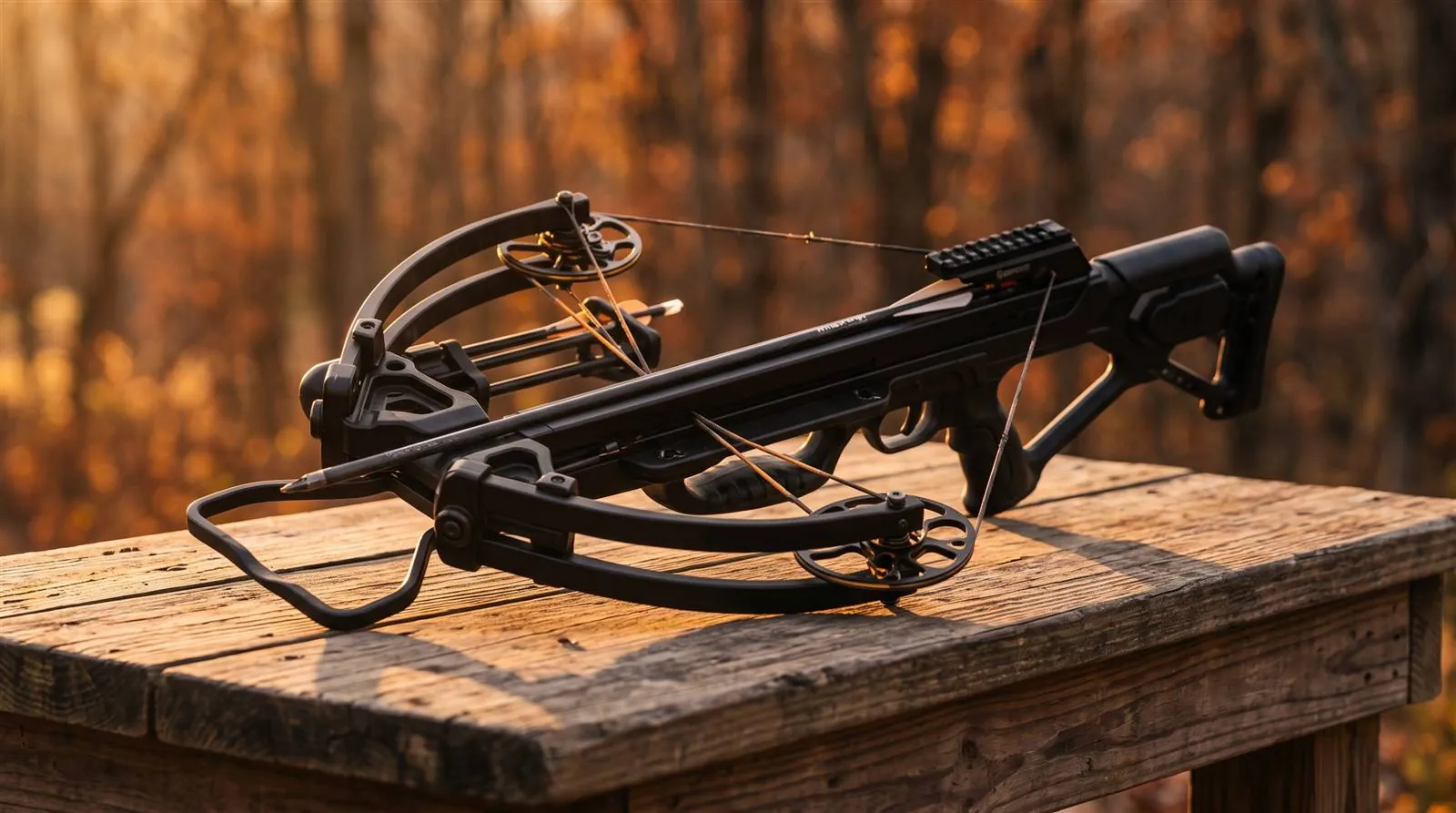
Reviews grouped by product type, including scopes, bolts and accessories. Compounds are the fastest and, with an assisted cocking system, the easiest to cock; recurves have fewer parts but take more effort to cock; pistol crossbows are short-range target tools with their own legal limits. Each category page compares its products side by side.
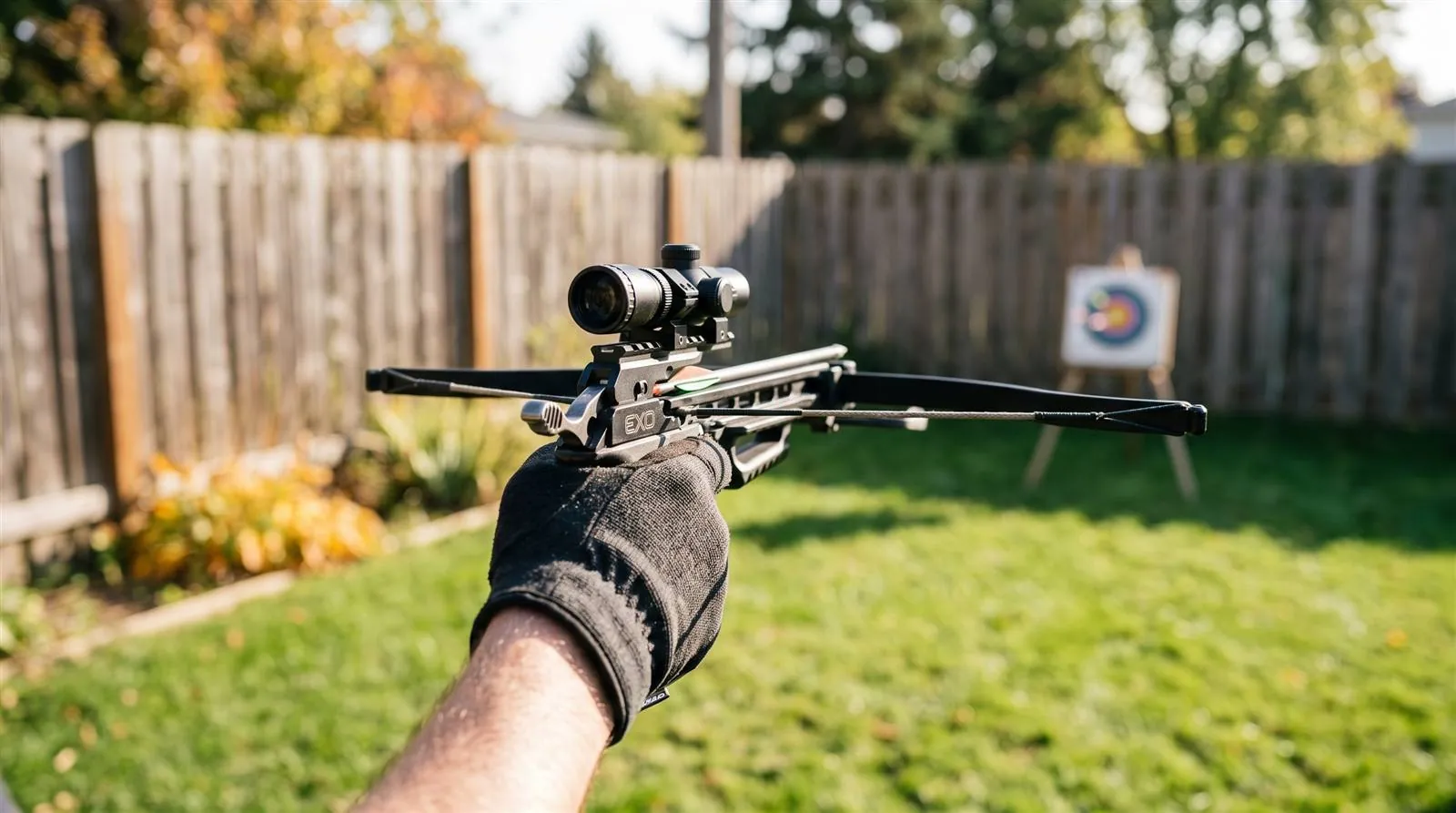
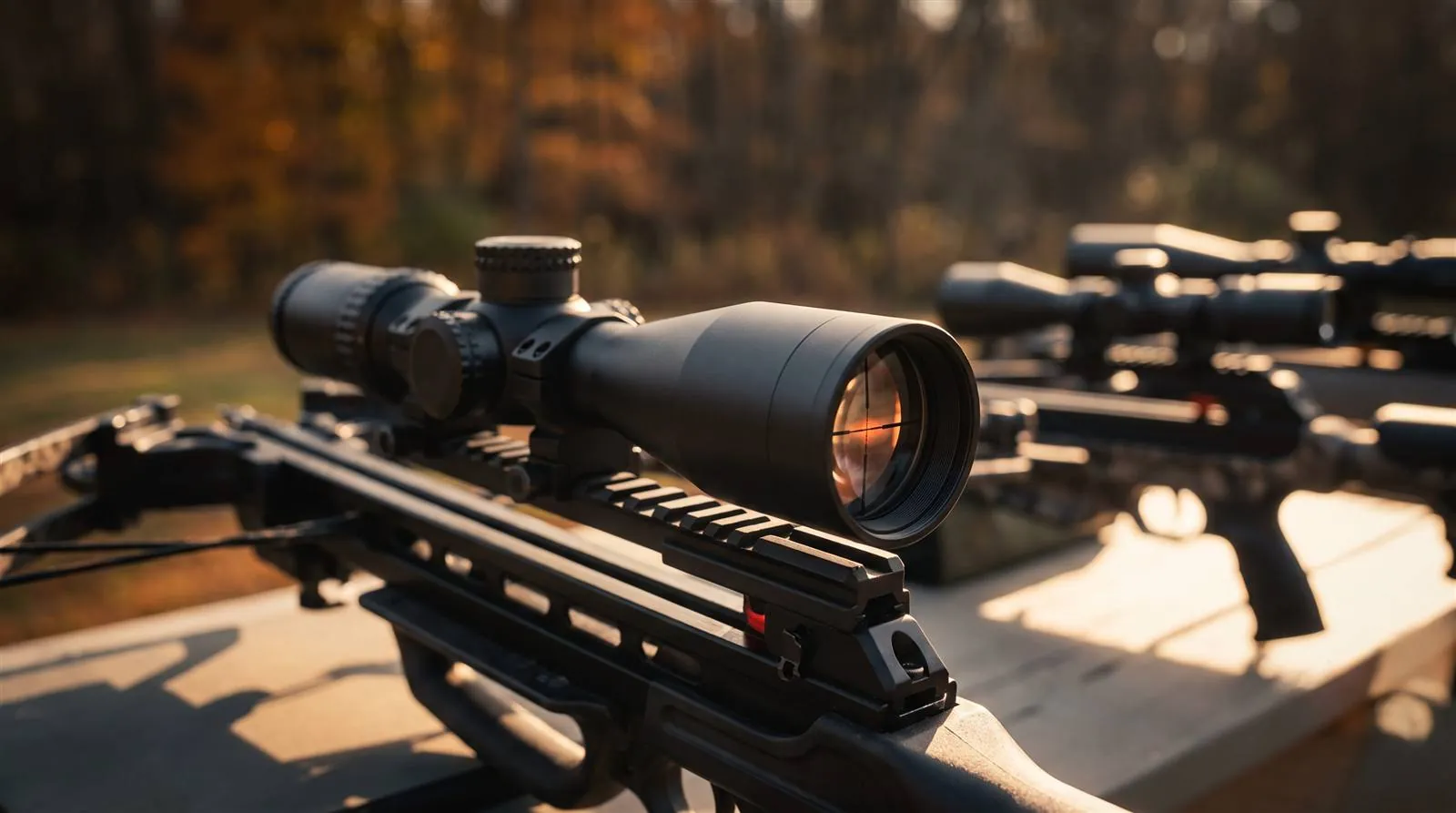

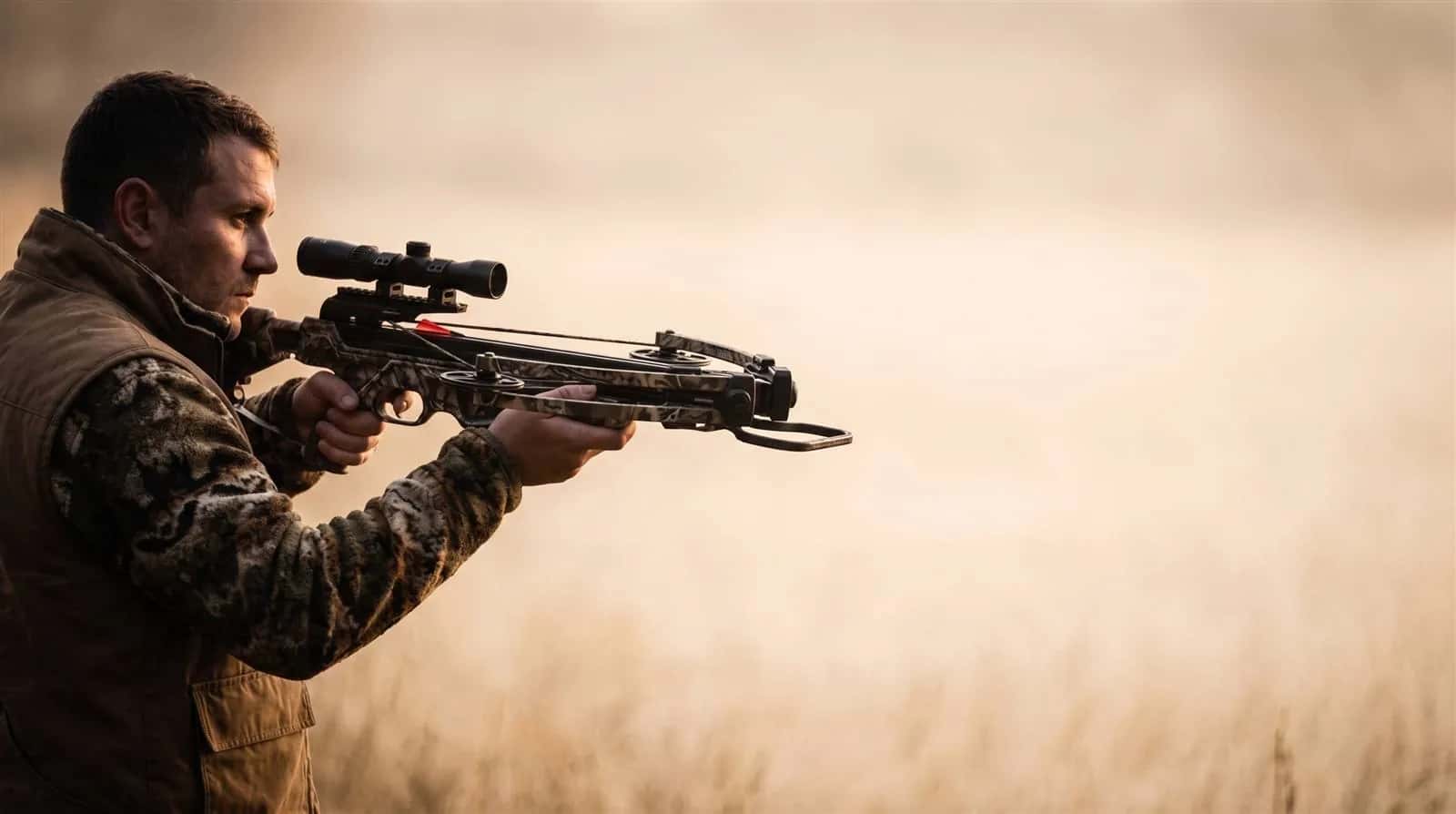
New to crossbows? Start here
The decisions that matter most before you buy, in the order most buyers meet them: type, draw weight, cost, safety and local rules, then broadheads and bolt speed once you are ready to hunt. If a term is unfamiliar, the glossary explains it in plain English.
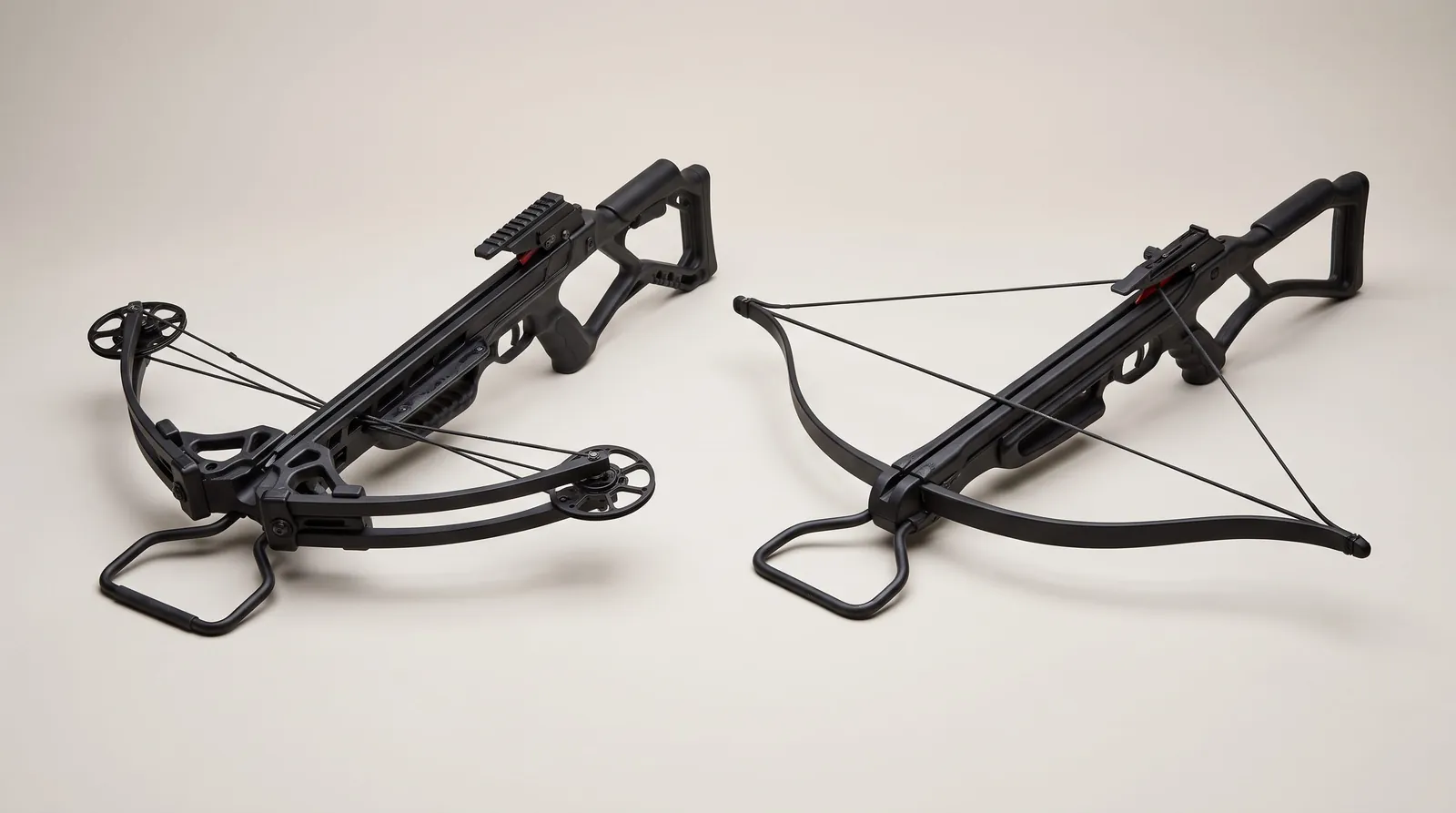

Crossbow Draw Weight by Body Size
How much draw weight you can cock comfortably, true versus felt draw weight, a ten-cycle self-test, and how rope and crank aids change the numbers.
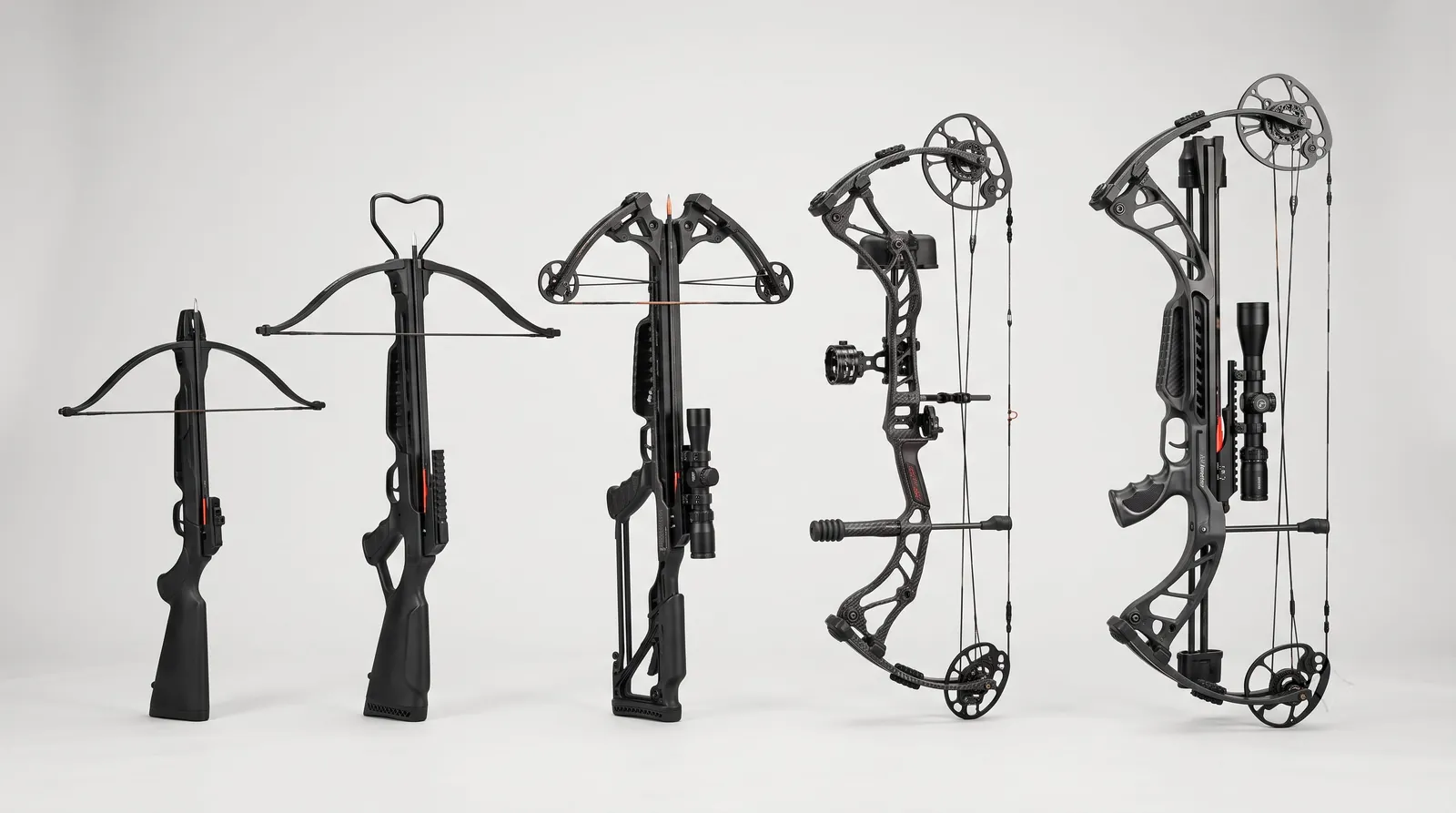
How Much Does a Crossbow Cost?
Crossbow prices by tier, from entry kits under about $415 to flagships, plus the full cost of bolts, broadheads, targets and maintenance.
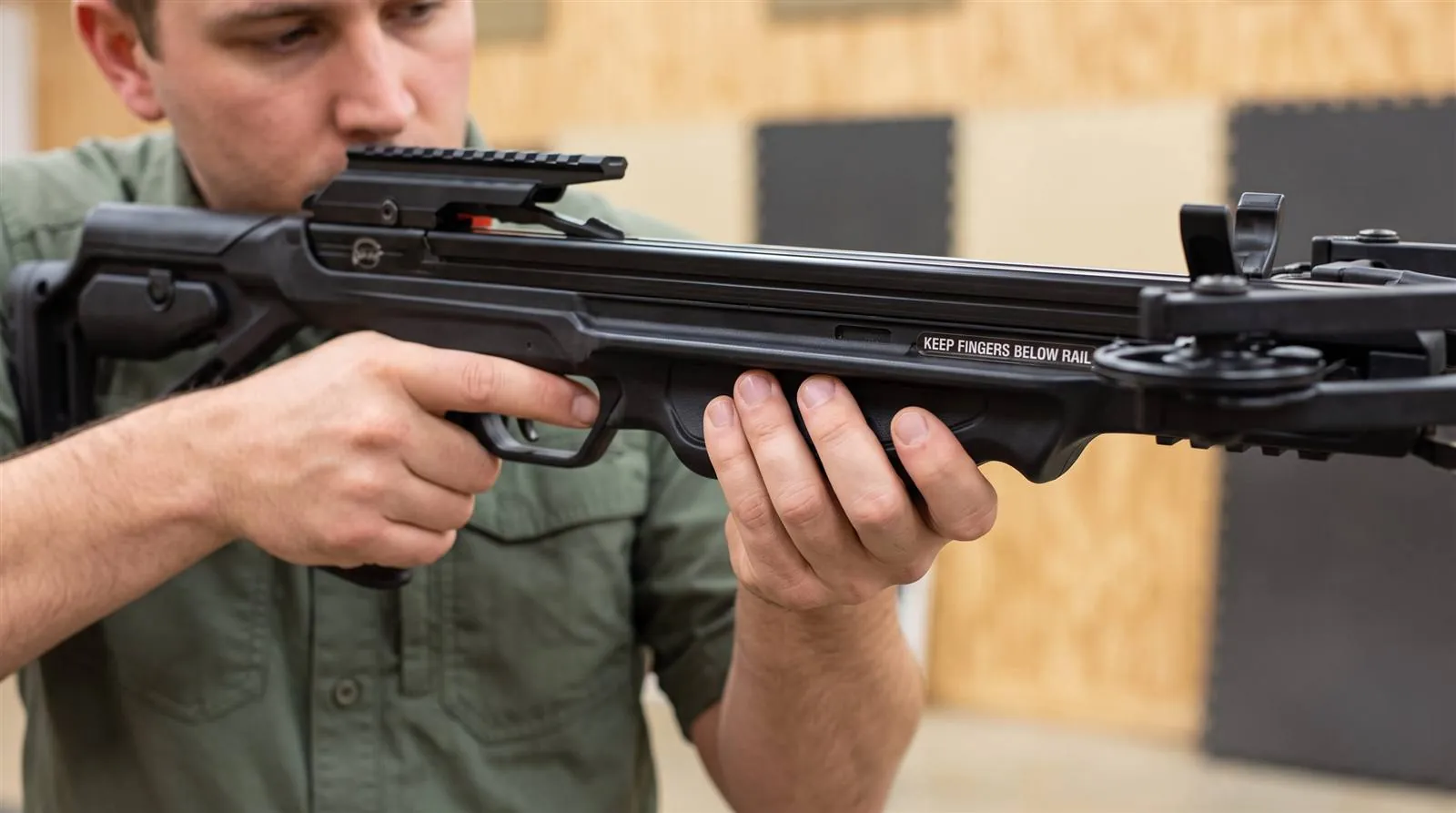
Crossbow Safety Rules for Beginners
Core crossbow safety rules: finger placement below the rail, avoiding dry fire, treating a cocked crossbow as loaded, safe cocking and safe de-cocking.

How to Choose a Recurve Crossbow
How to choose a recurve crossbow for hunting: who it suits, which specs to compare, maintenance, common mistakes and a decision checklist.

Crossbow Hunting Laws by State (2026)
Crossbow hunting rules by state for the current season: who may use a crossbow and when, licensing, equipment limits, and the official sources to verify.

Is Crossbow Hunting Easier Than Bow Hunting?
Where a crossbow makes hunting easier, where it does not, and the skill, ethics, preparation and rules that apply whichever tool you carry.
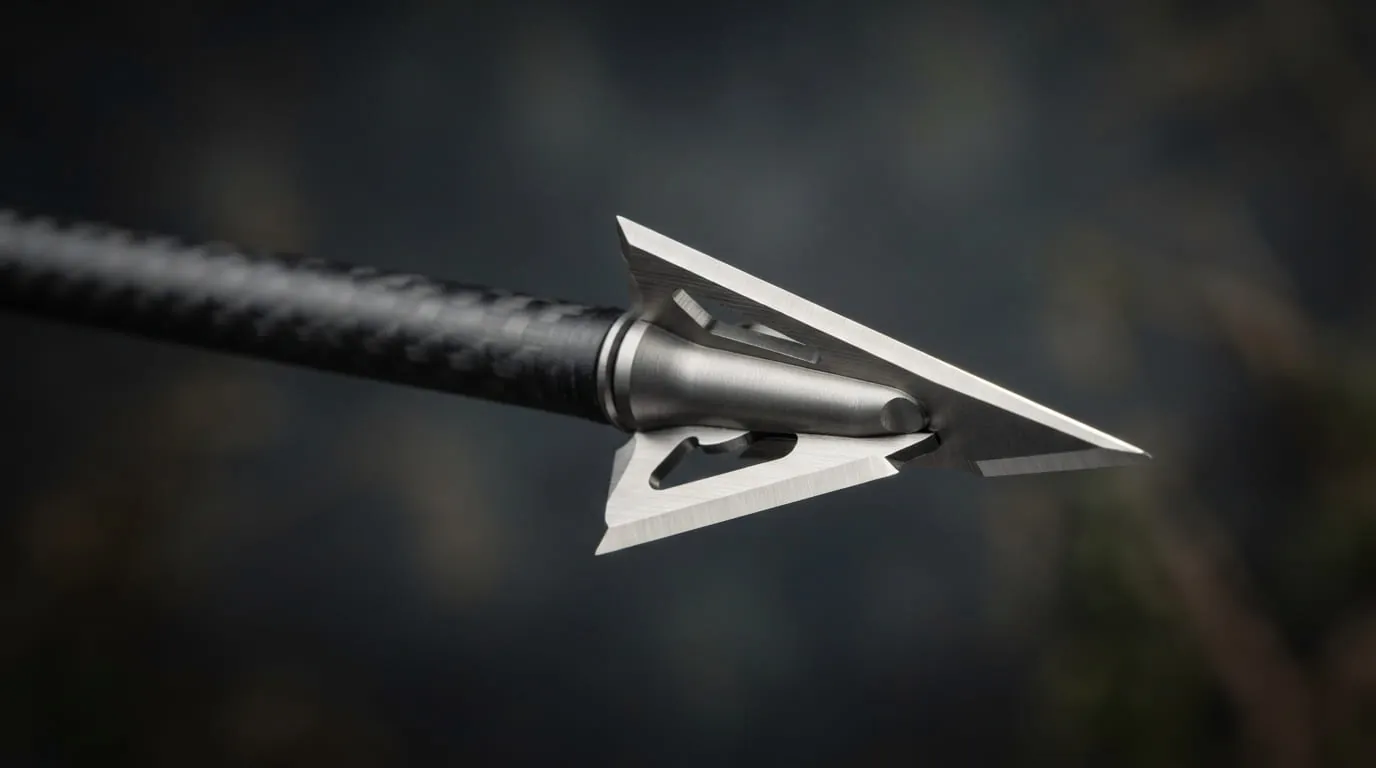
Fixed-Blade Broadheads for Crossbows
Fixed-blade crossbow broadheads explained: single versus multi-blade designs, cutting diameter, sharpening, practice, and when to choose fixed over mechanical.

How Fast Does a Crossbow Shoot?
Measured crossbow bolt speeds from my chronograph tests, by type and price tier, with why advertised FPS differs and how speed relates to kinetic energy.
More top-rated crossbow reviews by category
The highest-scoring reviews in each category beyond the top picks above. Scores reflect my test results, weighed against price and intended use. A high score is not a recommendation for every reader; each review states who should consider something else.
 Top compound crossbow
TenPoint TX Ultra 29.5 Review
Forward-draw crossbow measured at 456–463 FPS with tight 100-yard groups and a 6.5-inch cocked width. Speed and range in a narrow frame.
 Top recurve crossbow
Excalibur REV X Review
400 FPS recurve crossbow with CeaseFire anti-dry-fire, a 16 lb ChargerX crank and a complete Overwatch scope package. Fast and easy to cock, but loud, wide and $1,569–$1,599.
 Top pistol crossbow
Steambow AR-6 Stinger II Review
Six-shot repeating pistol crossbow at 176–184 FPS, accurate inside 70 feet and very easy to cock. Optional Pro limbs add speed.
 Top crossbow bolt
TenPoint CenterPunch HPX Review
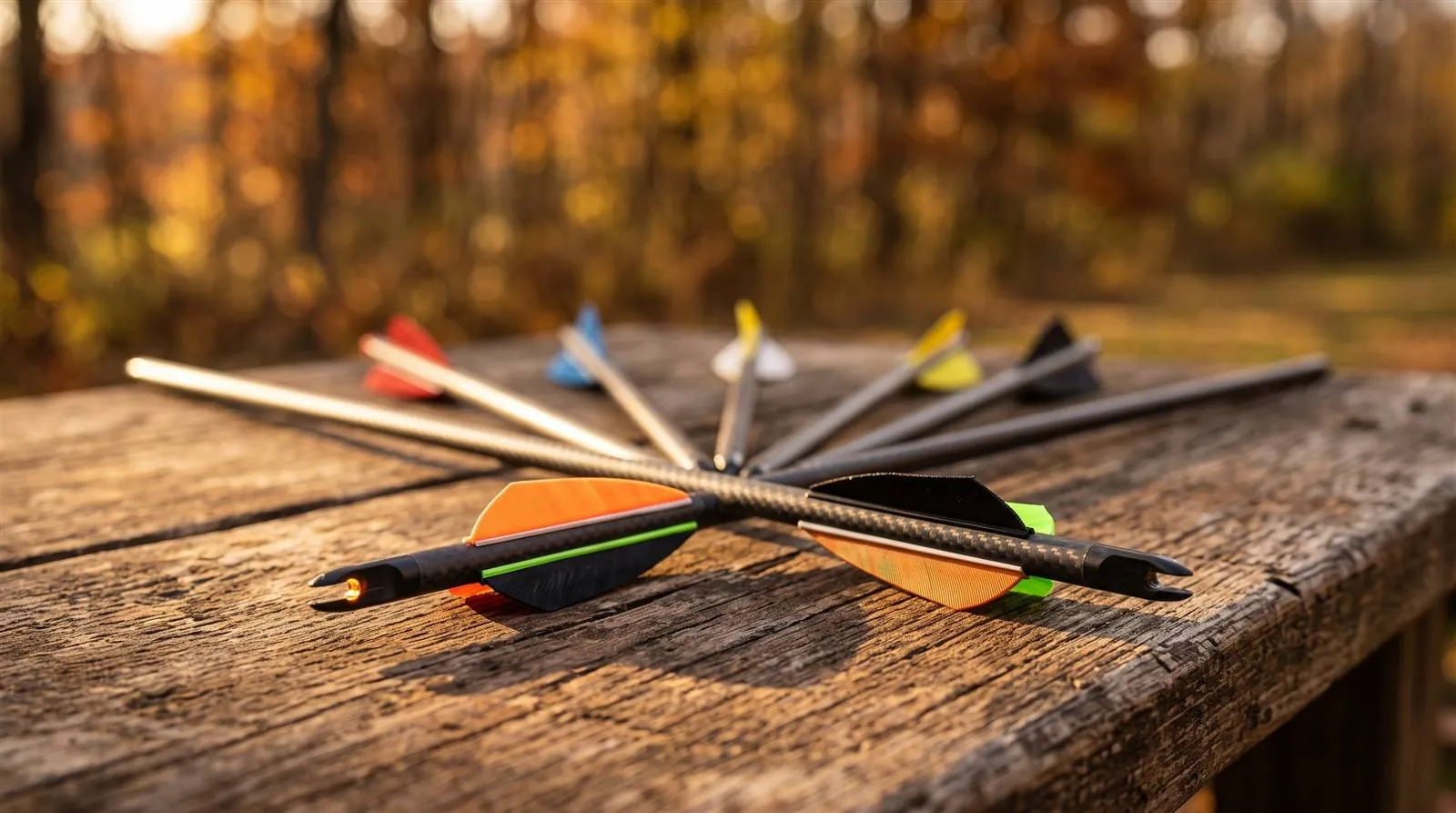
Premium 445-grain, 20-inch carbon bolts with tight weight matching. Their consistency showed most past 40 yards, where groups stayed noticeably tighter.
 Top crossbow scope
EVO-X Marksman Elite Review
Glass-reticle crossbow scope that covers a wide speed band and held its zero. Premium optics with no rangefinding electronics at about half the price of digital rivals.
 Top accessory
TenPoint Nemesis Broadhead Review
Staged mechanical crossbow broadhead with a large cutting diameter that flew like field points in testing. 100 grains, sold in packs of three.
Comparisons
Stuck between two options?
Side-by-side tests of the matchups readers ask about most, with the measured differences and who each one suits.
- Head to headRavin R29XRavin R26XR26X for stands, blinds and shots inside 40 yards at $500 less; R29X for larger game and longer range, with 50 FPS and 38 ft-lbs more. Measured verdict for each hunter.See the comparison
- Head to headTenPoint TX Ultra 26.5TenPoint TX Ultra 29.5TX Ultra 26.5 for saddles, blinds and short shots: shorter, lighter, quieter and $400–500 cheaper. TX Ultra 29.5 for 50 FPS more, 193 ft-lbs and reach past 60 yards.See the comparison
- Head to headWicked Ridge crossbowsTenPoint crossbowsWicked Ridge is TenPoint's value brand: buy the Invader M1 to spend least, the Titan X for a little more speed at $30–100 more, the Venom X or Phantom for a lighter or shorter frame at about $200 more.See the comparison
- Head to headCrossbowCompound bowCrossbow if you want consistent shots soon with less strength required; compound bow if you want fast follow-ups and a skill to refine. Check your local season rules before either.See the comparison
Set up, shoot and maintain your crossbow correctly
Four practical guides for the jobs every owner runs into: unloading safely, choosing a scope, fixing a crossbow that will not fire and understanding FOC.

How to Decock a Crossbow Safely
How to de-cock a crossbow safely using integrated systems or a discharge bolt into a rated target, plus what never to do and how to fix common mistakes.
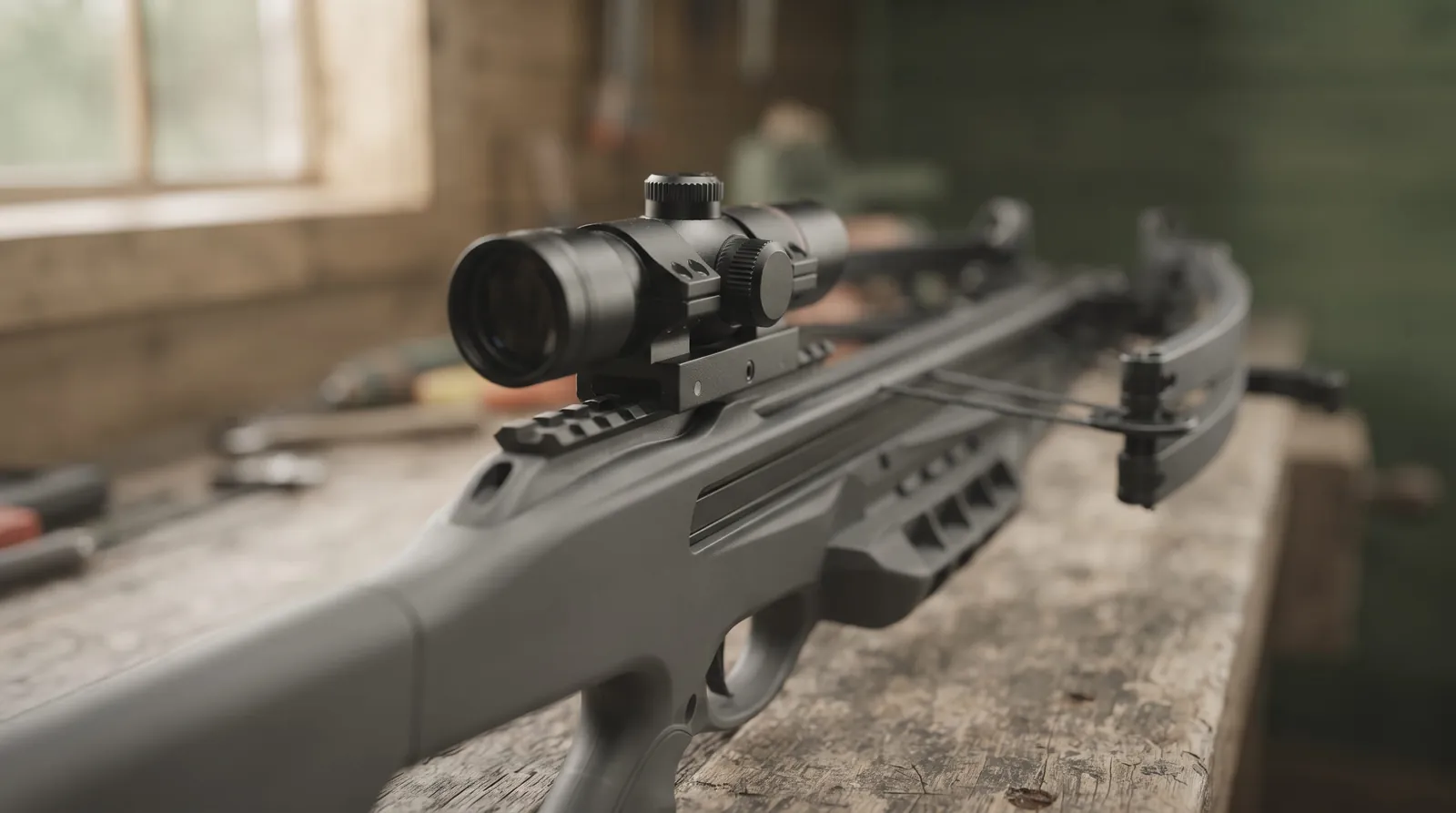
How to Choose a Crossbow Scope
Seven steps to choosing a crossbow scope: intended use, reticle type, magnification, eye relief, focal plane, parallax, and matching your bolt speed.
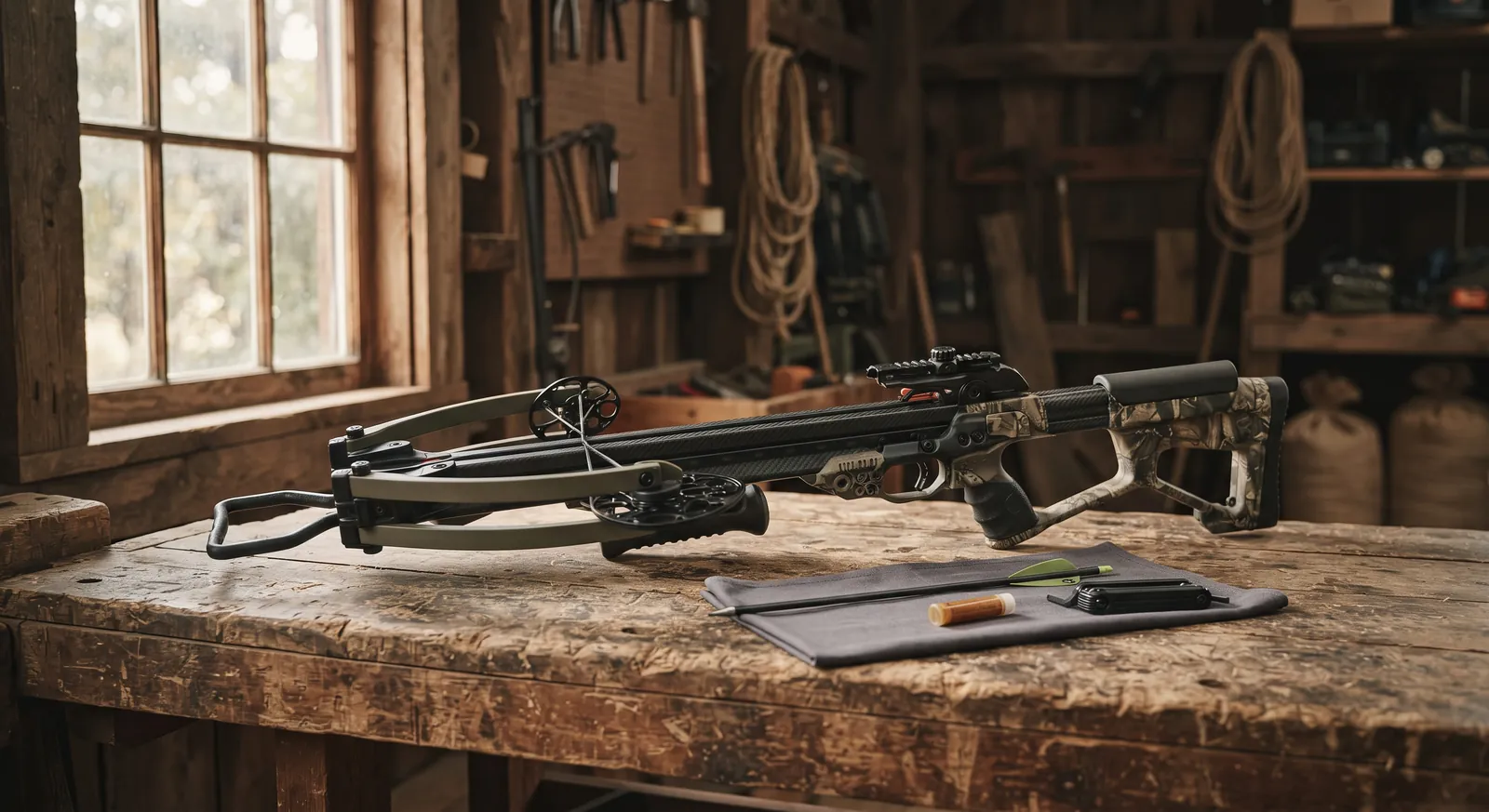
Crossbow Won't Fire? Problems & Fixes
A diagnosis table for a crossbow that won't fire: safety on, unseated bolt, wrong nock, bolt specs, retention spring and trigger problems, and when to stop.

Crossbow Bolt FOC Explained for Hunters
Front of center (FOC) explained for crossbow bolts: how to calculate it, what changes it, how it affects flight, and FOC figures from our bolt tests.
Run the numbers before you buy
Free calculators built from the same figures used in the reviews. Enter your crossbow's speed and bolt weight to see kinetic energy, drop and cocking effort, or find a scope calibrated for your speed.
Crossbow terms, explained
Draw weight, power stroke, FOC and other specifications are easy to misread. Each glossary page defines the term, shows the formula where there is one, and explains how to read it on a spec sheet, with links to the guides that use it.
- Draw Weight
- Draw weight is the peak force, in pounds, needed to pull the string back to the latch; it sets cocking effort and is one input to speed and energy.
- Power Stroke
- Power stroke is the distance, in inches, the string travels from its cocked position to rest, which sets how long the limbs have to accelerate the bolt.
- Axle-to-Axle
- Axle-to-axle (ATA) is the width between the cam axles at the limb tips of a crossbow, quoted cocked and uncocked, and the main figure for how wide it is.
- FPS (Feet Per Second)
- FPS is the speed of a bolt as it leaves the crossbow in feet per second, usually rated with one specific bolt weight that may be lighter than yours.
- Kinetic Energy
- Kinetic energy is the energy a crossbow bolt carries, in foot-pounds, calculated from its weight in grains and its speed in feet per second.
- FOC (Front of Center)
- FOC is the percentage of a bolt’s length by which its balance point sits ahead of the midpoint, a measure of how front-heavy the bolt is.
- MOA (Minute of Angle)
- MOA is an angular unit of 1/60 of a degree that spans about 1.047 inches per 100 yards and measures scope adjustments and group size.
- Cocking Aid
- A cocking aid is a rope or crank device that cuts the effort needed to draw a crossbow string and helps it seat evenly in the latch.
- Dry Fire
- A dry fire is releasing a cocked crossbow with no bolt on the string, which sends the stored energy into the limbs and string and can wreck them.
Before you buy
Frequently Asked Questions
What should a beginner look for in a crossbow?
Start with how easily you can cock it safely, then check speed, weight, included accessories and warranty. A modest draw weight with a good cocking aid is usually easier to live with than the fastest number on the box.
How much should I spend on a first crossbow?
Complete packages with a scope and bolts start around $300 to $500 and are enough for most first-time buyers. Spending more mainly buys speed, a narrower frame, a better scope and a crank cocking system rather than accuracy you can use at typical distances.
How fast does a crossbow need to be?
Speed matters less than most boxes suggest. The compound crossbows we have reviewed are rated from 350 to 515 FPS, and a heavier bolt at a moderate speed often carries more energy and is quieter than a light bolt at a headline speed. Check your local minimums for hunting.
Are the speeds on the box accurate?
They are manufacturer ratings, normally recorded with a light bolt under ideal conditions, and speeds with heavier bolts are lower. Where I chronographed a crossbow, the review reports the measured speed beside the rating; otherwise it shows the rating and says so.
Do I need a cocking aid?
For most modern hunting crossbows, yes. A cocking aid reduces effort and draws the string evenly, which helps accuracy and string life. Use only a device rated for your crossbow. How to cock a crossbow
Is a compound or recurve crossbow better?
Neither is better in every case. Compounds usually deliver more speed from a compact frame; recurves have fewer parts and can be simpler to maintain. Pistol crossbows are a separate, short-range target category.
How do I look after a crossbow?
Wax the string and lube the rail on the schedule in your manual, check strings, cables and limbs for fraying or cracks before each session, store it uncocked and out of heat, and never dry-fire it. How to maintain a crossbow
Are crossbows legal where I live?
It depends on your state, province or country, and on the season and species if you hunt. Rules change, so verify with your wildlife agency or local authority. Nothing on this site is legal advice.
Who is testing

Marisol Vega
Senior Outdoor Equipment Writer & Research Editor
Marisol Vega is a Senior Outdoor Equipment Writer & Research Editor at Crossbow Authority. Where she has chronographed a crossbow, the review gives the measured speed and bolt weight; for everything she has not measured, she works from manufacturer documentation and official sources and labels the figures that way. Her reviews keep measured results, manufacturer claims and editorial judgement clearly apart.
- Crossbow design
- Compound and recurve systems
- Archery equipment
- Crossbow specifications
- Bolts and accessories
- Optics
Our standards
How Crossbow Authority works
- Written by one named authorEvery review and guide is written by Marisol Vega, with a published and updated date on each page.
- Rated and measured, kept apartManufacturer figures are separated from measured results. Each review lists its limitations, alternatives and a last-updated date.
- Affiliate links are disclosedSome product links earn a commission and are marked as sponsored. Commissions never change a score.